

Introduction
A domain name is the foundation of your online identity. It is the first thing users notice, the primary way people remember your website, and a key trust signal for search engines and visitors alike. Whether you are starting a blog, launching a startup, creating a portfolio, or experimenting with a new idea, choosing the right domain name is one of the most important early decisions you will make.
However, for many beginners and early-stage founders, paying for a domain name can feel unnecessary during the initial phase. When budgets are limited and the goal is testing ideas quickly, people often look for ways to get a free domain name.
The good news is that in 2026, getting a free domain is still possible through multiple legitimate methods. The challenge lies in understanding which options are truly free, which are bundled with other services, and which ones are suitable for long-term growth.
This in-depth guide explains every realistic way to get a free domain name, compares the most popular providers, highlights advantages and limitations, and helps you choose the best option based on your specific goals. By the end of this article, you will clearly understand when a free domain makes sense and when it is smarter to invest in a paid one.
What Is a Domain Name and Why It Matters
A domain name is the address people type into their browser to visit your website, such as example.com. Technically, it maps to an IP address that identifies a server on the internet, but for users, it represents your brand, credibility, and purpose.
For businesses, a domain name acts as a digital storefront. It influences trust, brand recall, and even conversion rates. For bloggers and content creators, it helps build authority and long-term visibility in search engines. For developers and learners, it provides a sandbox for testing and experimentation.
A free domain can serve different purposes depending on the use case. While it may be perfect for learning or prototyping, it may not be ideal for serious commercial projects. Understanding this distinction is critical before choosing any free domain option.
Why People Look for Free Domain Names
There are several practical reasons why free domain names remain popular.
Many beginners are unsure whether their website idea will work. They want to test content, traffic, or a product concept without upfront costs. Students and learners often need a domain only for assignments or practice projects. Freelancers may want a temporary portfolio while building experience.
Startups in the validation phase also prefer minimizing expenses until they confirm product-market fit. A free domain helps them launch quickly, collect feedback, and iterate without long-term financial commitment.
While these reasons are valid, it is important to understand that free domains are usually a starting point, not a final solution.
Types of Free Domain Options Available in 2026
There are four main ways to get a free domain name. Each method has its own advantages, limitations, and ideal audience.
Free Domain with Web Hosting Plans
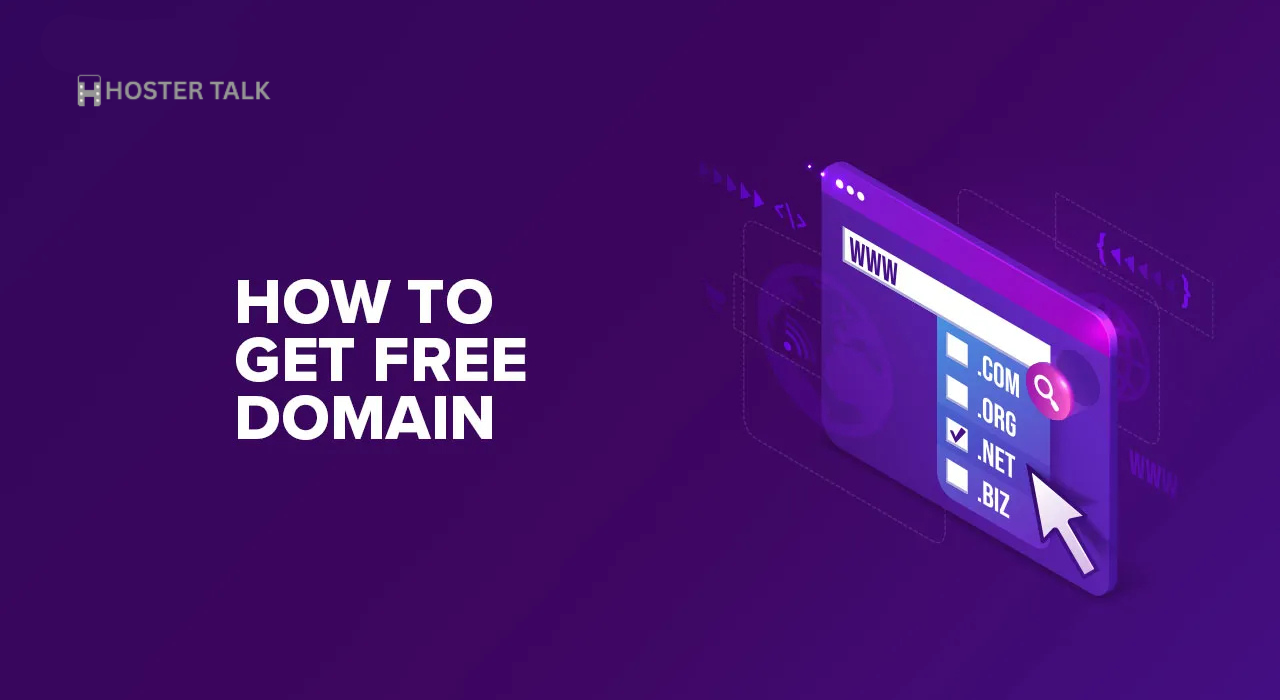
The most professional and widely recommended way to get a free domain is through a web hosting provider. Many hosting companies include a free domain registration for the first year when you purchase an annual or multi-year hosting plan.
In this model, you are technically paying for hosting, but the domain cost is waived. The domain extensions offered are usually mainstream options such as .com, .net, .org, or country-specific TLDs.
This method is ideal for bloggers, startups, and small businesses that want a professional online presence from the beginning. In addition to the domain, hosting plans often include SSL certificates, email hosting, website builders, backups, and customer support.
The main limitation is that the domain is free only for the first year. After that, standard renewal fees apply. However, this approach provides the highest level of trust, ownership, and scalability.
Completely Free Domain Registrars
Some registrars offer domain names completely free of cost, usually using lesser-known or alternative domain extensions. These domains do not require a hosting purchase and can often be connected to external servers.
This option is commonly used by developers, students, and hobbyists who need a domain for testing, learning, or internal tools. It eliminates all upfront costs and allows quick experimentation.
However, free domain registrars come with important limitations. These domains often have lower trust, limited SEO value, and unclear ownership rights. Some providers may suspend or reclaim domains if they are inactive or violate policies.
For business or branding purposes, this option is generally not recommended.
Website Builders Offering Free Subdomains or Limited Free Domains
Website builders like WordPress.com and Wix offer free subdomains as part of their free plans. A subdomain typically looks like yoursite.platform.com.
Some builders also include a free custom domain for the first year when you subscribe to a premium annual plan.
This option is suitable for beginners who want an all-in-one solution with minimal technical setup. The platform handles hosting, security, and design, allowing users to focus on content.
The drawback is limited control and branding flexibility. Subdomains do not look professional, and migrating away from the platform later can be complex.
Promotional and Campaign-Based Free Domains
Occasionally, domain registrars offer free domains as part of promotional campaigns. These offers usually apply to specific domain extensions and are time-limited.
Promotional free domains are useful for short-term projects or experimental websites. However, availability is unpredictable, and renewal fees often apply after the first year.
Providers That Offer Free Domain Names
Freenom
Freenom is one of the most well-known providers offering completely free domain names. It provides extensions such as .tk, .ml, .ga, .cf, and .gq.
These domains can be registered without payment and connected to external hosting providers. Freenom domains are commonly used for testing, learning, and non-commercial projects.
The major drawback is trust and stability. These domains are often associated with spam and may not perform well in search engines. Additionally, ownership is not guaranteed long-term.
Hostinger
Hostinger offers a free domain for the first year with its premium and business hosting plans. It supports popular domain extensions suitable for professional use.
This option is ideal for startups, bloggers, and small businesses that want affordability without compromising quality. Hostinger is widely known for performance and ease of use.
Bluehost
Bluehost includes a free domain with its hosting plans and is especially popular among WordPress users. It offers a reliable hosting environment and beginner-friendly setup.
The free domain is valid for one year, after which renewal fees apply.
DreamHost
DreamHost provides a free domain with hosting subscriptions and is known for transparent pricing and strong performance. It is suitable for content-driven websites and blogs.
IONOS
IONOS includes a free domain with its hosting plans and focuses on business-oriented features such as professional email and security tools.
This provider is suitable for small businesses looking for an integrated solution.
MilesWeb
MilesWeb is popular among Indian users and offers free domains with hosting plans. It provides localized support and competitive pricing.
Namecheap Promotional Domains
Namecheap occasionally offers free domains during promotional campaigns, usually for specific extensions. These offers are limited and change frequently.
WordPress.com
WordPress.com provides free subdomains for users on its free plan. It is suitable for personal blogs, learning projects, and early experimentation.
However, branding and customization are limited unless you upgrade.
Wix
Wix offers free subdomains with its free plan and includes a free custom domain for the first year on premium annual plans.
It is beginner-friendly but can limit long-term flexibility.
Free Domain Providers Comparison Table
| Provider | Domain Type | Free Period | Best Use Case | Key Limitations |
|---|---|---|---|---|
| Freenom | Custom TLDs (.tk, .ml) | Lifetime | Testing, learning | Low trust, no ownership |
| Hostinger | .com, .net | 1 year | Startups, blogs | Renewal cost |
| Bluehost | .com | 1 year | WordPress sites | Hosting required |
| DreamHost | .com | 1 year | Content websites | Paid plan |
| IONOS | Multiple TLDs | 1 year | Small businesses | Renewal fees |
| MilesWeb | .com | 1 year | Indian users | Hosting required |
| Namecheap Promo | Selected TLDs | 1 year | Side projects | Limited availability |
| WordPress.com | Subdomain | Lifetime | Beginners | Platform branding |
| Wix | Subdomain | Lifetime | Simple websites | Platform lock-in |
Advantages of Using a Free Domain Name
Free domains allow users to launch websites without financial risk. They are ideal for learning, experimentation, and validating ideas quickly. They also enable faster setup, especially when bundled with hosting or website builders.
For short-term projects or internal tools, free domains can be extremely practical.
Disadvantages and Risks of Free Domain Names
Free domains often lack credibility and trust. They may limit branding opportunities and negatively impact search engine performance. Ownership restrictions can make it difficult to transfer or renew the domain.
For businesses planning long-term growth, these limitations can become costly over time.
Best Practices Before Choosing a Free Domain
Before registering a free domain, always review the provider’s terms and conditions. Check renewal costs, transfer policies, and ownership rights. Avoid using free domains for serious commercial projects.
Plan ahead for scalability and be prepared to migrate to a paid domain when your website gains traction.
Frequently Asked Questions (FAQs)
Is a free domain completely safe to use?
Free domains are safe for learning and testing but may not be reliable for business use due to ownership and trust issues.
Can I use a free domain for SEO?
While possible, free domains with uncommon extensions or subdomains generally perform worse than paid domains.
Can I later upgrade to a paid domain?
Yes, most platforms allow upgrading, though migration steps may vary.
What is the best free domain option for startups?
A hosting plan that includes a free .com domain for the first year is usually the best option.
Are free domains permanent?
Some are, but many are free only for a limited period or subject to provider policies.
Conclusion
Getting a free domain name in 2026 is entirely possible, but the right approach depends on your goals. Free domains are excellent for beginners, learners, and early-stage experiments. They allow you to start quickly and minimize risk.
However, for serious projects, startups, and businesses, a free domain should be viewed as a temporary step. Investing in a professional domain name is essential for credibility, branding, and long-term success.
Choosing wisely at the beginning can save you significant time, effort, and migration challenges as your website grows.